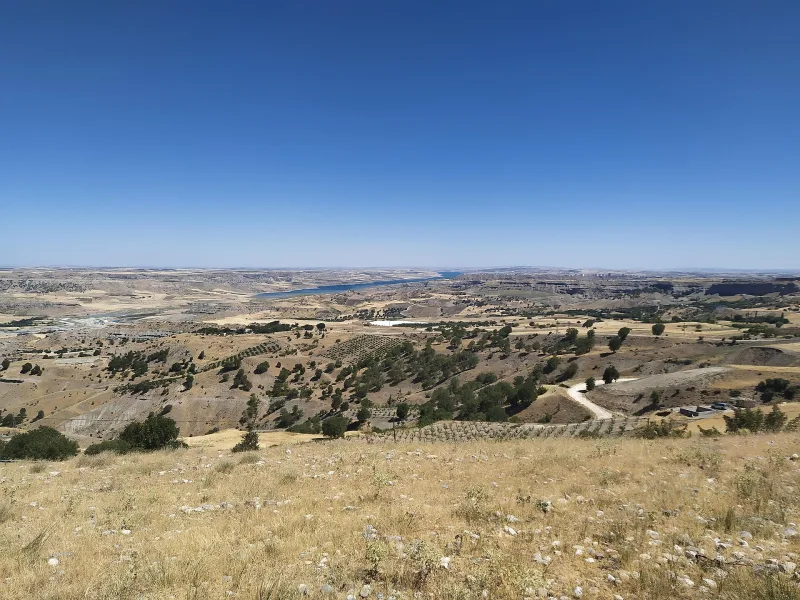
Kahta — the gateway to Mount Nemrut and Commagene

Kâhta: The Gateway to Nemrut and the Treasure Trove of the Kingdom of Commagene

At the eastern edge of Adıyaman Province, between the Euphrates River and its tributary, the Cendere, lies the small town of Kâhta—the main tourist and logistics hub for the southern slopes of Mount Nemrut. Kâhta itself is a typical Anatolian regional center, but everything in its vicinity makes it one of Turkey’s most archaeologically rich hubs: the giant stone heads of King Antiochus I atop Mount Nemrut, the Roman Cendere Bridge, the mausoleum of the Commagene princess Karakuş, the medieval Yeni Kale fortress, and the ruins of the ancient capital of Arsameia. All these sites are accessible within a one- to two-hour drive from the city center.

History

The area surrounding modern-day Kâhta was part of the ancient Kingdom of Commagene—a small but wealthy Hellenistic state that existed from the 1st century BCE to the 1st century CE at the crossroads of Hellenic, Persian, and Anatolian traditions. The most famous Commagene king, Antiochus I Theos (reigned 70–36 BCE), built the famous memorial on the summit of Nemrut Dağı—now a UNESCO World Heritage Site. The ancient capital of the kingdom, Arsameia on the Nymphaeus (Arsameia on the Kâhta Çayı River), was located just a few kilometers north of the modern city.

After the Roman conquest of Commagene in 72 CE, the region became part of the province of Syria. The construction of the Cendere Bridge (2nd century)—one of the largest surviving Roman arch bridges—dates to this period. In the Middle Ages, the territory passed from the Byzantines to the Arabs, Armenians, Seljuks, and finally to the Ottomans. Yeni Kale (New Fortress) above the Kâhta Çayı River was built during the Mamluk era (13th–14th centuries) and completed under the Ottomans. The modern city of Kâhta took shape during the late Ottoman period; its current name is a simplified Turkish form of the region’s ancient name.

In the 20th century, Kâhta underwent significant demographic changes: the resettlement of villages flooded by the Atatürk Barajı reservoir led to an increase in the urban population. Today, Kâhta is home to about 70,000 people, and a large part of the city’s economy depends on tourism related to Nemrut and Nemrut Dağı National Park.

What to see in the surrounding area

Nemrut Dağı

The region’s main treasure is Mount Nemrut (2,134 m) with its famous royal memorial to Antiochus I. On the eastern and western terraces are carved colossal stone heads of the gods of the syncretic Commagene pantheon: Zeus-Oramas, Apollo-Mithras, Heracles-Artagnan, and a seated Antiochus. The summit is about 75 km from Kâhta via a paved road, with the final 600 meters on foot. Climbing to watch the sunset and greeting the sunrise is a classic tourist ritual.

Cendere Bridge

A Roman stone bridge across the Cendere River, built during the reign of Emperor Septimius Severus (193–211). It is about 120 meters long and 30 meters high, with a single span spanning the river. The bridge has preserved three of the four commemorative columns erected in honor of the imperial family. Until recently, cars drove across it; now it is a pedestrian bridge.

Karakuş Tumulus

A burial mound-mausoleum constructed in the 1st century BCE for the women of the Commagene royal family—the mother, sister, and daughter of Antiochus I. Surrounding the mound are columns with sculptural depictions (including the eagle “karakuş”—“black bird,” which gave the monument its name).

Yeni Kale (New Fortress)

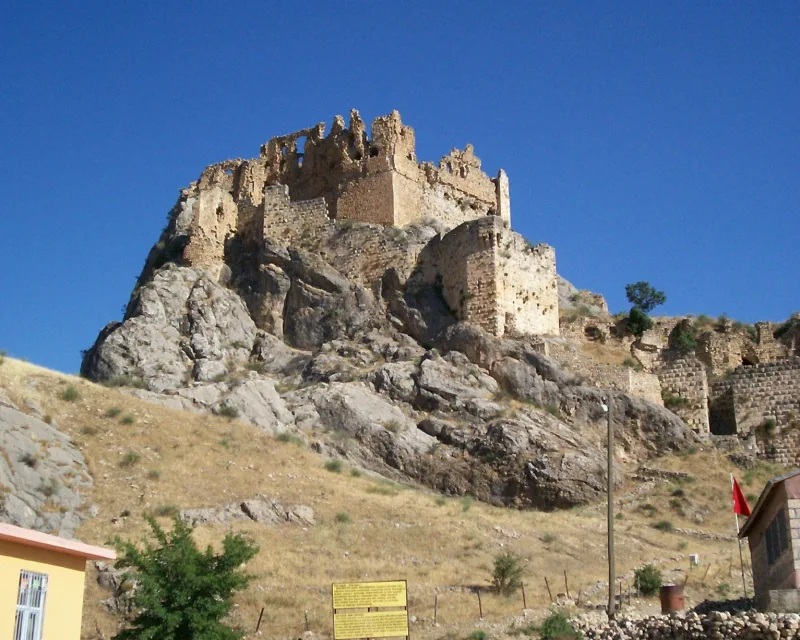
An imposing medieval fortress overlooking the Kâhta Çayı gorge, combining Mamluk and Ottoman elements. Inside are the ruins of a mosque, cisterns, and warehouses. Located 30 km north of Kâhta, on the road to Nemrut.

Eski Kâhta and Arsameia

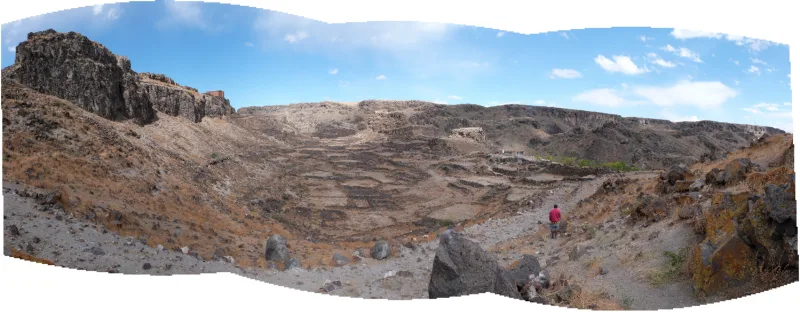
Eski Kâhta (Old Kâhta) is a village at the foot of Yeni Kale, near which lie the ruins of the Commagene capital Arsameia on the Kâhta Çayı River. Rock reliefs have been preserved here—a scene of the handshake (dexiosis) between Mithridates I and Heracles, Greek inscriptions, and tunnels carved into the rock.

Interesting Facts

  • The head of Antiochus on the eastern terrace of Nemrut is one of Turkey’s most recognizable images, appearing on banknotes, stamps, and the covers of travel guides worldwide.
  • The Cendere Bridge is one of the largest Roman arch bridges in the world; until the construction of the Salgir Bridge in Gara, it held the title of the bridge with the longest span.
  • In the Commagene pantheon of Antiochus I, the gods were intentionally paired in syncretic combinations—for example, Zeus-Oramazd (a Greek and Zoroastrian deity)—which reflected the political idea of a bridge between East and West.
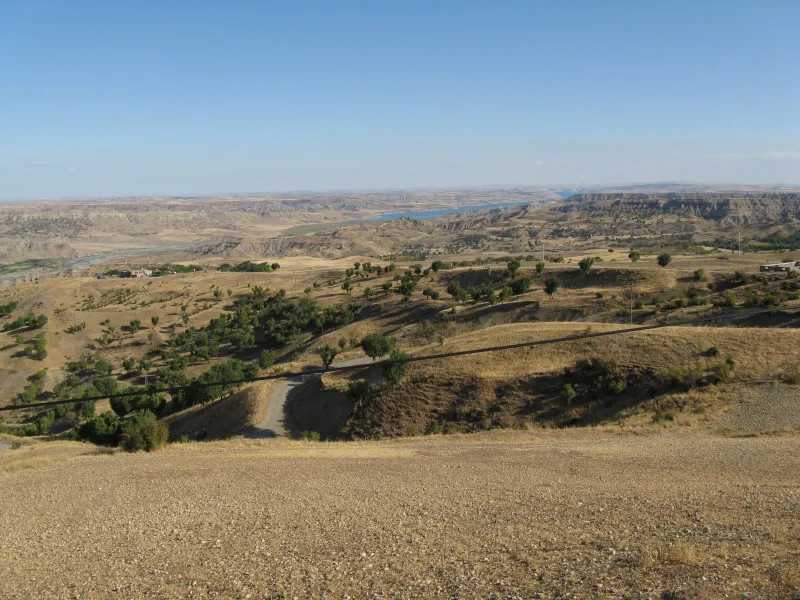
  • Lake Atatürk Barajı, formed by the dam of the same name (1990) on the Euphrates, is the fourth-largest artificial lake in the world; its southern shore borders the Kâhta district.
  • Kâhta is home to one of the major markets where you can sample local South Anatolian cuisine—especially dishes made with lentils and lamb.

How to get there

Kâhta is located on Highway D360, 35 km east of Adıyaman and 740 km from Ankara. The nearest airport is Adıyaman (ADF), which offers daily flights to Ankara and Istanbul; a taxi ride from the airport to Kâhta takes about 50 minutes. An alternative airport is Şanlıurfa GAP (GNY), 180 km to the southeast.

By intercity bus: direct routes from Ankara (12–14 hours), Istanbul (16–18 hours), Malatya (3 hours), and Şanlıurfa (3 hours). Regular dolmuşes run from Adıyaman to Kâhta. From Kâhta to the Nemrut, Cendere, and Karakuş sites—tour minivans, taxis, or a rental car.

Travel Tips

The best time to visit Nemrut is from late April to late October; during the winter months, the road to the summit is often closed due to snow. It gets very hot during the day in summer (35–40 °C), but at the very summit, temperatures drop to +10 °C at night even in July—bring a warm jacket, especially if you’re going for sunset and sunrise.

The standard tourist route based in Kâhta is a one-day tour: Karakuş Tumulus, Cendere Bridge, Old Kâhta + Arsameia, New Castle, an ascent to Nemrut for sunset, an overnight stay at one of the mountain guesthouses, or a return to Kâhta. An alternative option is a sunrise hike and return by lunchtime.

Comfortable shoes, a hat, sunscreen, and plenty of water are essential. The climb from the parking lot to the summit of Nemrut is about 600 meters along a rocky trail and requires moderate physical fitness.

There are several affordable hotels and guesthouses in Kâhta; for premium accommodations, it’s better to choose hotels in Adıyaman. There is an entrance fee for Nemrut Dağı National Park, and tickets are typically valid for one day. Please respect the sanctity of this archaeological site: do not touch the sculptures, do not climb on the statues, and do not leave trash behind.
Your comfort is important to us, click on the desired marker to create a route.
Meeting for minutes before
Yesterday. 17:48
Frequently asked questions — Kahta — the gateway to Mount Nemrut and Commagene Answers to frequently asked questions about Kahta — the gateway to Mount Nemrut and Commagene. Information about the service's operation, capabilities, and use.
Kâhta is a small district center in the province of Adıyaman in southeastern Turkey, serving as the main base for visiting Mount Nemrut and the monuments of the ancient Kingdom of Commagene. From here, five major historical sites are accessible within a one- to two-hour drive: Mount Nemrut with its colossal stone heads, the Roman Cendere Bridge, the Karakuş burial mound and mausoleum, the Yeni Kale fortress, and the ruins of the capital city of Arsameia.
Yes, the royal memorial at the summit of Mount Nemrut is listed as a UNESCO World Heritage Site. While Kahta itself is not included on the list, all the key sites of Commagene—which are accessed via Kahta—are protected as part of this heritage.
Commagene was a small Hellenistic kingdom that existed from the 1st century BCE to the 1st century CE at the crossroads of Greek, Persian, and Anatolian cultures. Its ruler, Antiochus I Theos, built a unique syncretic pantheon, uniting Greek and Zoroastrian gods—this political and religious “message” has been preserved in the stone sculptures atop Mount Nemrut and the rock reliefs of Arsameia.
There is an admission fee to Nemrut Dağı National Park; tickets are typically valid for one day. We recommend checking the exact current price on the official website of the Turkish Ministry of Culture and Tourism or directly at the ticket office before your visit, as prices are updated regularly.
In theory, a visit is possible, but the road to the summit is often closed during the winter months due to snow and ice. The best time to visit is from late April to late October. If you’re planning a trip in November or March, check road conditions in advance with local tour operators or the park administration.
The Cendere Bridge is a Roman arch bridge spanning the Cendere River, built in the 2nd century during the reign of Emperor Septimius Severus. It is approximately 120 meters long and 30 meters high. The bridge has retained three of its four original commemorative columns and is considered one of the largest Roman arch bridges still standing today. Today, it is open only to pedestrians.
The Karakuş Tumulus is a 1st-century BCE burial mound and mausoleum built for the women of the Commagene royal family: the mother, sister, and daughter of Antiochus I. The name derives from the word “karakuş” (“black bird”—eagle), an image of which crowns one of the surviving columns surrounding the mound. This is one of the most accessible sites on the route—it is located near the main road.
The Atatürk Dam on the Euphrates River, which began operations in 1990, created one of the largest artificial reservoirs in the world. The filling of the reservoir led to the flooding of several villages in the Kâhta district, resulting in the resettlement of residents and a significant increase in the urban population. The southern shore of the lake borders directly on the district’s territory.
Kâhta cuisine reflects the typical culinary traditions of Southern Anatolia: lentil dishes, lamb prepared in various ways, and spicy appetizers. The city has a market where you can sample local specialties. This is a great opportunity to experience the cuisine of Adıyaman Province before heading out to see the sights.
The climb from the parking lot to the summit of Mount Nemrut is about 600 meters along a rocky trail and requires moderate physical fitness. People with joint or cardiovascular issues are advised to consult a doctor. Children and older travelers are encouraged to use trekking poles and take frequent breaks.
Kâhta has several affordable hotels and guesthouses catering to tourists heading to Nemrut. Near the mountain itself, there are small mountain guesthouses where you can spend the night and watch the sunrise right at the summit. If you’re looking for a higher level of comfort and service, it’s best to choose a hotel in Adıyaman and make the trip to the sites from there.
The nearest airport is Adıyaman (ADF), which is about 35 km from Kâhta (approximately a 50-minute taxi ride). There are daily flights from Adıyaman to Ankara and Istanbul. An alternative option is Şanlıurfa GAP Airport (GNY), located 180 km to the southeast, which serves more destinations and may be more convenient for certain routes.
User manual — Kahta — the gateway to Mount Nemrut and Commagene Kahta — the gateway to Mount Nemrut and Commagene User Guide with a description of the main functions, features, and principles of use.
The best time to visit Kâhta and Mount Nemrut is in the spring (April–May) and fall (September–October): mild temperatures, open roads, and a comfortable climb to the summit. In summer, daytime temperatures reach 35–40 °C, while at the summit, even in July, nighttime temperatures are around +10 °C. In winter, the road to Nemrut is often closed due to snow.
Fly to Adıyaman Airport (ADF) and take a taxi to Kâhta (about 50 minutes). Alternatively, fly to Şanlıurfa GAP Airport (GNY) and travel for about two hours. By bus: Direct buses run from Ankara (12–14 hours), Istanbul (16–18 hours), Malatya (3 hours), and Şanlıurfa (3 hours). Regular dolmuşes run from Adıyaman to Kâhta.
Choose a hotel or guesthouse in Kâhta if you want a convenient base near the attractions, or a hotel in Adıyaman for a wider range of amenities. For trips to the monuments, arrange transportation in advance: a tour minivan, taxi, or rental car. Check with your hotel or a local tour operator for schedules and prices—routes to Nemrut are often available as organized day trips.
The classic itinerary: Karakuş Tumulus (burial mound and mausoleum) → Cendere Bridge (Roman bridge) → Old Kahta and the ruins of Arsameia → Yeni Kale (medieval fortress) → ascent to Mount Nemrut at sunset. If you prefer sunrise, leave at night and return by lunchtime, visiting the remaining sites after descending.
The climb from the parking lot to the summit is about 600 meters along a rocky trail and takes 20–30 minutes. Bring comfortable closed-toe shoes with non-slip soles, a hat, sunscreen, and at least 1.5 liters of water per person. If you’re going for sunset or sunrise, be sure to bring a warm jacket: temperatures drop sharply at the summit at night, even in summer.
At the entrance to Nemrut Dağı National Park, purchase an admission ticket (valid for one day). At all archaeological sites, it is prohibited to touch the sculptures, climb on the statues or heads, or leave trash behind. Photography is generally permitted. Treating these monuments with respect helps preserve them for future generations.
The ruins of Arsameia, the capital of Commagene, near Eski Kâhta, are a less-visited but highly significant site: here you can see rock reliefs depicting the handshake (dexiosis) between Mithridates I and Heracles, Greek inscriptions, and tunnels carved into the rock. Nearby stands the Yeni Kale fortress with the remains of a mosque and cisterns—a tour takes about an hour.
After a full day, return to Kâhta, where you can have dinner at local cafes and sample South Anatolian cuisine—lentil dishes and lamb. If you have time, stop by the town market. If you’d like to stay another day, you can visit the shore of the Atatürk Barajı reservoir or climb Mount Nemrut again at a different time of day.